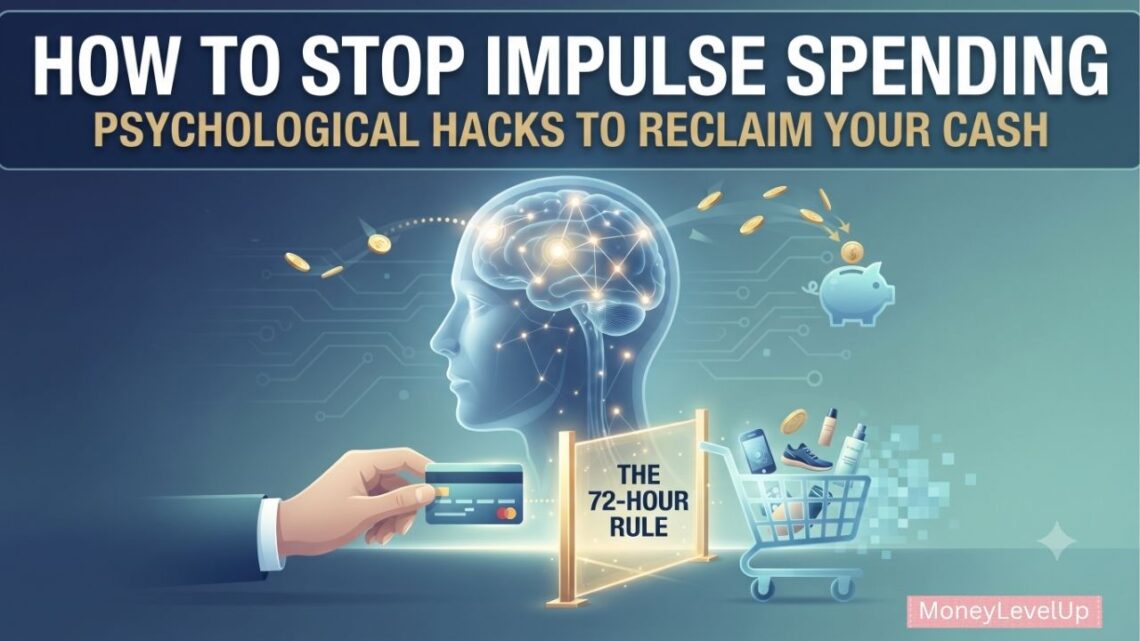
How to Stop Impulse Spending: Psychological Hacks to Reclaim Your Cash
Let’s be completely honest for a second: we’ve fallen victim to the late-night online shopping rabbit hole. You open your phone just to check tracking info for a package, and thirty minutes later, you’ve somehow purchased a smarter water bottle, a skincare set you saw on TikTok, and three different pairs of socks you definitely don’t need. Its not that you’re careless with your future; it’s just that modern marketing is engineered to short-circuit our self-control. If you want to stop the cycle of sudden buyers’ remorse, mastering how to stop impulse spending is the ultimate psychological game-changer. When you understand the triggers behind your purchases – much like studying how the Mayer Amschel Rothschild banking dynasty influenced global finance shows us the foundational roots of strategic asset control – you can build a bulletproof barrier between your wallet and your impulses.
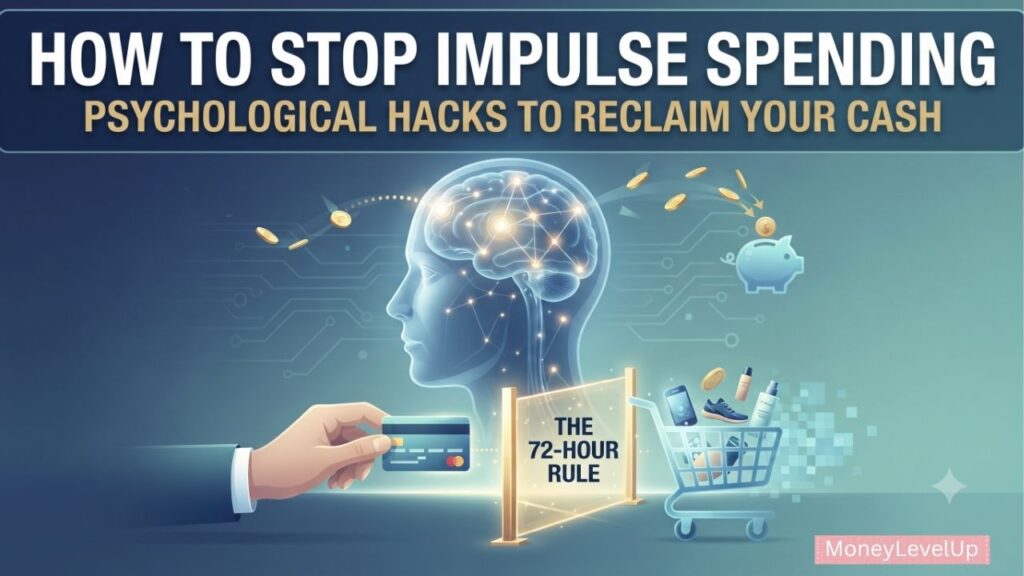
Why Your Brain Loves to Buy Things You Don’t Need When Learning How to Stop Impulse Spending
To beat an opponent, you have to understand how they operate. Impulse spending isn’t a simple lack of discipline; it’s a neurological response. When you see an item on sale or a limited-time offer, your brain releases a hit of dopamine – the chemical associated with anticipation and pleasure. The irony? The thrill peaks before you actually own the item. Once it arrives on your doorstep, the dopamine rush fades instantly, leaving you with clutter and lighter bank account.
Understanding how to navigate this starts with realizing that your brain is chasing a chemical high, not necessarily the product itself. If you want to keep tabs on where your money drifts when these urges hit, you can pair behavioral shifts with the best budgeting apps to streamline your financial finances, making it infinitely easier to spot your spending patters before they drain your checking account.
Simple Psychological Hacks for How to Stop Impulse Spending
You don’t need a monastic lifestyle or an ironclad willpower to get your spending under control. You just need a few clever speed bumps to slow down your brain’s autopilot mode:
- The 72-Hour Rule: When you feel an irresistible urge to buy something non-essential, add it to your cart and close the tab. Force yourself to wait 72 hours. More often than not, the emotional spike will pass, and you’ll wonder why you even wanted it.
- Friction is Your Friend: Remove your save credit card information from your favorite online shopping sites. Having to manually get up, find your wallet, and type in a 16-digit card number creates just enough friction for your rational brain to step in and say, “Wait a minute.”
- Cost in Hours, Not Dollars: Next time you’re eyeing a $150 gadget, calculate how many hours of work it takes you to earn that amount after taxes. Suddenly, that item, isn’t wort $150 – it’s worth size hours of your actual life.
Take a deep breath, give yourself some grace, and remember that every small pause you create is a victory for your wallet. Learning how to navigate your triggers is a journey, and every step you take brings you closer to true financial peace of mind!

You May Also Like
Generative AI for Budgeting: Can LLMs Actually Manage Your Monthly Spending?

Defeating Shrinkflation: Strategic Hacks to Trim Your Monthly Grocery Budget