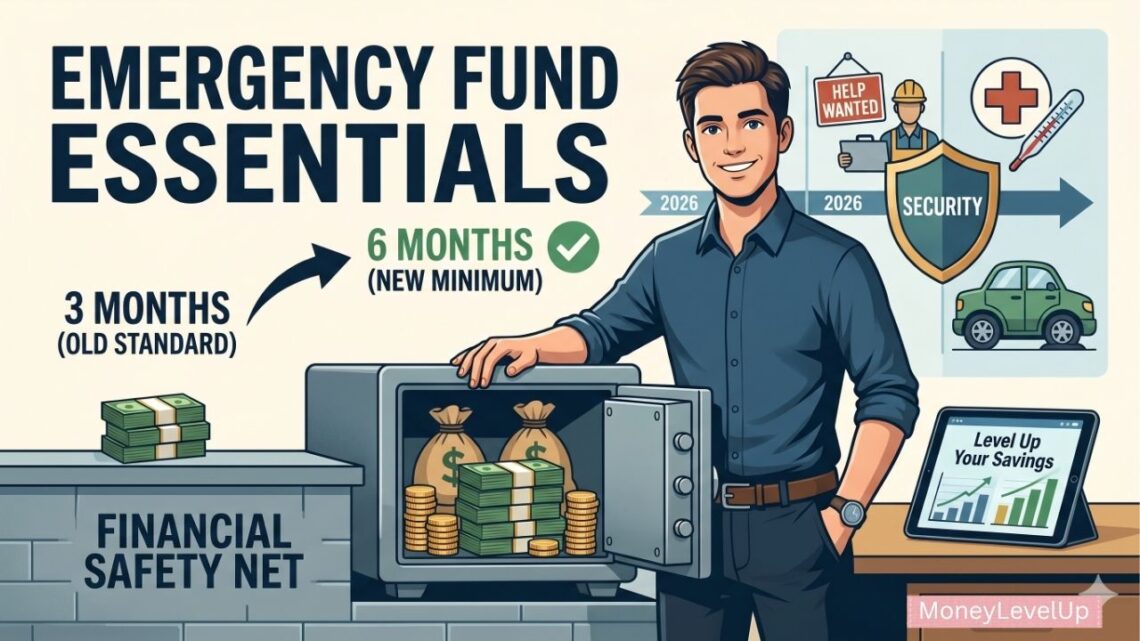
Emergency Fund Essentials: Why 6 Months of Savings is the New Minimum
Let’s be real – most of us treat an emergency fund like that spare tire in the trunk. You’re glad it’s there, but you’re hoping you never actually have to use it. However, in today’s unpredictable world, having a small “rainy day” stash isn’t enough anymore. If you want to truly protect your future, understanding Emergency Fund Essentials is the first step toward sleeping better at night. It’s not just about having a bit of cash for a flat tire; it’s about creating a bulletproof shield so that when life throws a curveball, your entire financial world doesn’t come crashing down. This is specially true when you’re already learning how to stay disciplined by practicing mindful spending to break the cycle of lifestyle creep.
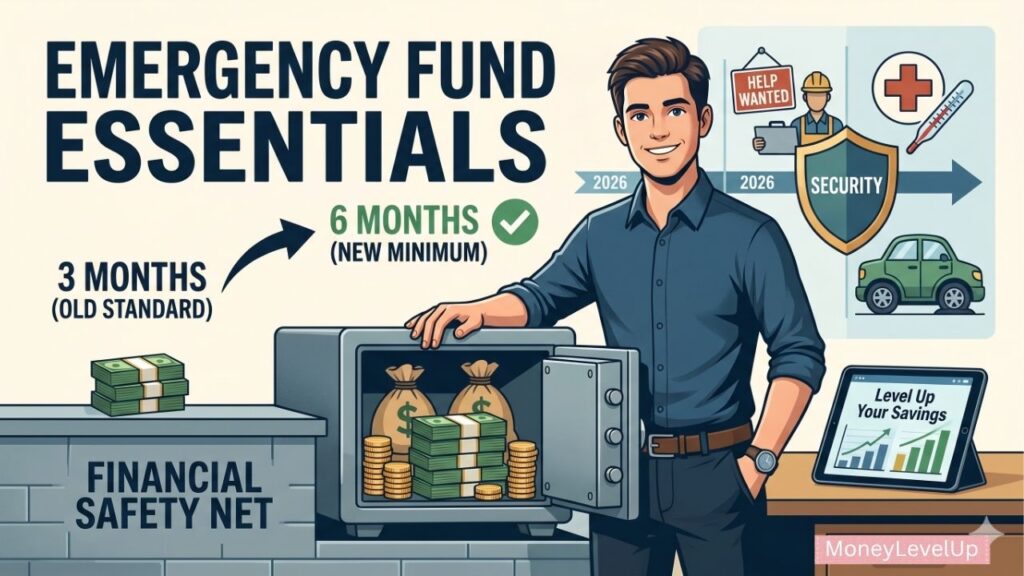
Why 6 Months is the New Baseline for Emergency Fund Essentials
For years, the “gold standard” was three months of expenses. But let’s look at the reality of 2026: job markets are shifting, living costs are rising, and unexpected health or home repairs can be eye-wateringly expensive. A 6-month buffer has become the new minimum because it provides the breathing room you need to make calm decisions rather than desperate ones.
When you have six months of Emergency Fund Essentials tucked away, you aren’t just saving for a “what if” – you’re buying yourself time. Whether it’s a sudden career pivot or a global economic dip, that half-year cushion ensures you can keep your lights on and your family fed without touching your long-term investments or falling into high-interest debt.
How to Build Your Emergency Fund Essentials Without Feeling Overwhelmed
I know – saving six months of living expenses sounds like a mountain to climb. But remember, financial health is a marathon, not a sprint. You can start by setting a “mini-goal” of $1,000 or one month of core expenses to gain momentum.
Here are a few quick tips to get your Emergency Fund Essentials on track:
- Calculate Your “Floor”: Figure out your absolute non-negotiable monthly costs – rent, groceries, and utilities.
- Automate the Process: Set up a recurring transfer to a separate high-yield account so you don’t even have to think about it.
- Be Strategic with “Found” Money: Use tax refunds or work bonuses to give your fund a quick boost.
- Stay Focused on the Goal: To keep that momentum going, take inspiration from those who have built wealth by being intentional, like this 30-year old with $1M in the bank who shares 5 things they never buy to keep building wealth.
At the end of the day, an emergency fund isn’t just a number in a bank account – it’s peace of mind. By making 6 months your new target, you’re telling the world (and yourself) that you’re ready for whatever comes next. Let’s level up together!



3 Comments
Pingback:
Pingback:
Pingback: